Winter in Kitchener–Waterloo can turn even the simplest drive into an unpredictable challenge. One minute, the road looks manageable… and the next, you’re sliding, stuck on ice, or unable to gain traction. Whether it happens in a parking lot, on a quiet street, or during a snowstorm on Highway 7/8, winter traction loss is one of the top reasons drivers call a towing company.
But what actually happens when a tow truck arrives? How do professionals safely recover a vehicle that’s slipping, skidding, or ice-locked?
This guide breaks down how towing companies handle winter traction recoveries, the specialized tools and techniques they use, and what drivers can do before a tow truck arrives.
Why Cars Get Stuck on Ice in Winter: The Science Behind It
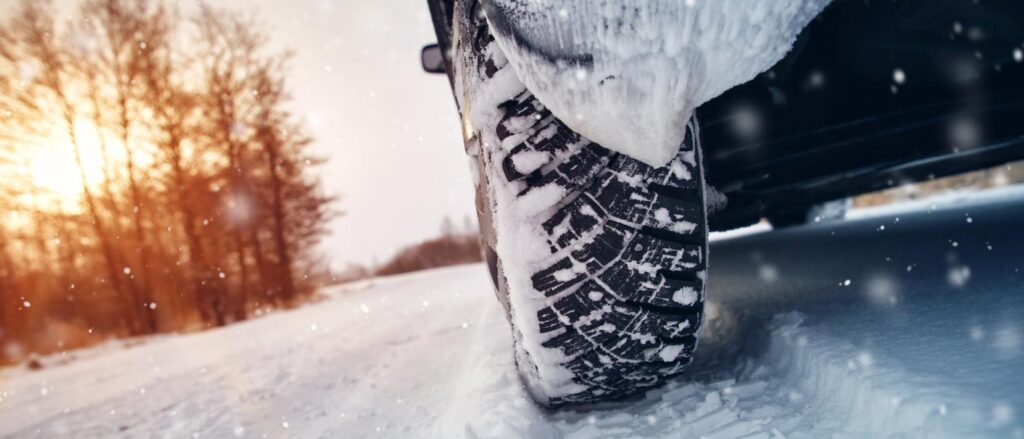
Winter traction loss usually comes down to one thing: your tires can’t grip the road. This can happen because of:
- Black ice (nearly invisible)
- Compacted snow turning slick
- Freezing rain flash-frosting the pavement
- Bald or worn tires
- Low tire pressure (common as temperatures fall)
- Spinning tires that melt snow and refreeze it under the vehicle
When this happens, your car may:
- Slide sideways
- Lose the ability to climb a hill
- Get stuck at a stoplight
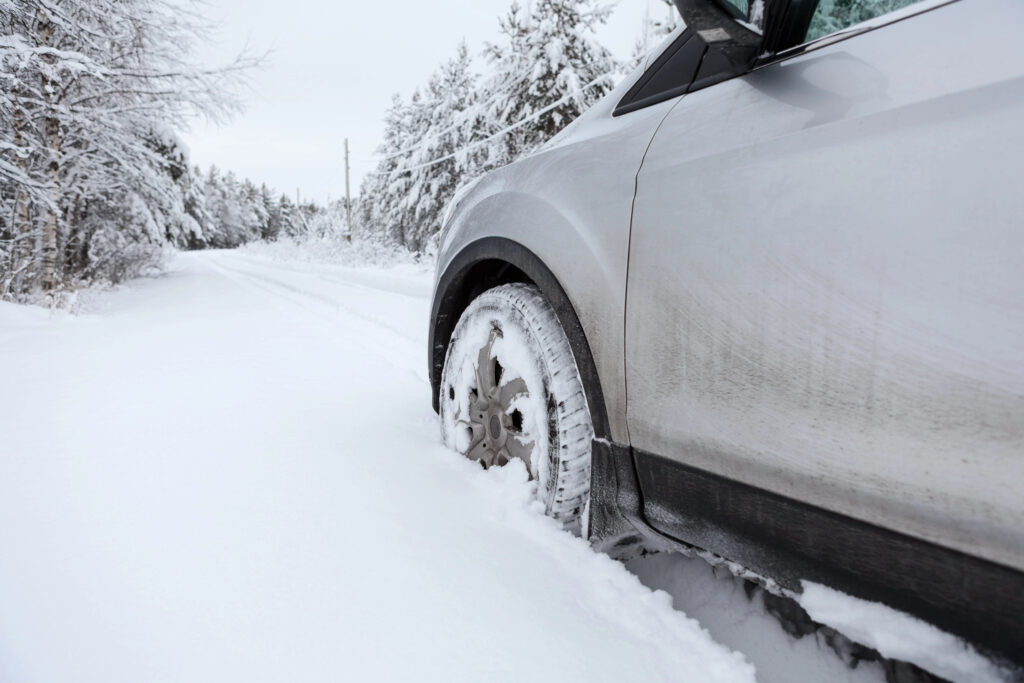
- Become lodged in a snowy shoulder or ditch
And this is where professional towing teams come in.
How Towing Companies Perform Winter Traction Recoveries
When a driver calls a towing service near me for a winter traction issue, the tow team typically follows a structured, safety-first recovery process.
1. Assessment of Scene & Vehicle Positioning
Before anything else, the tow operator evaluates:
- The degree of traction loss
- The surface (ice? snow? slush? black ice?)
- Vehicle weight and drivetrain (FWD, RWD, 4WD)
- Whether the vehicle is blocking traffic
- Possible hazards (slopes, oncoming traffic, ice patches)
This determines whether the vehicle can be driven out, pushed out, or requires winching. This step is critical, especially when cars are angled dangerously on icy roads near intersections or hills.
2. Sand, Grit, and Traction Aid Application
Sometimes the simplest solution works. Many recovery operators spread:
- Sand
- Grit mix
- Salt
- Tire traction mats
- A shovel-and-traction combo
This is often enough to help the car regain grip and move safely. This avoids damage and can get the driver back on the road without a full tow.
3. Controlled Wheel Straightening
If your wheels are turned while stuck, the vehicle will never regain traction.
Operators will:
- Straighten the wheels
- Advise you to avoid spinning the tires
- Help with gentle throttle pressure
Drivers often don’t realize that spinning the wheels digs the car deeper into ice and packed snow.
4. Professional Winching (The Core Winter Recovery Technique)
When traction is completely lost, such as in:
- icy ditches
- angled embankments
- snowbanks
- unplowed driveways
- slippery hills
Towing companies use powered winching systems.
How Winching Works
A winch uses:
- A motorized spool
- Aircraft-grade steel cable or synthetic rope
- Anchoring points on the tow truck
- A controlled pulling force
The operator attaches the recovery strap or winch line to the vehicle’s frame hooks or manufacturer-approved tow points.
Why Winching Is Safe (When Done Properly)
Professional winching prevents:
- Tire spinning
- Skid-related body damage
- Further sliding into traffic
- Vehicle rollover on icy slopes
5. Flatbed Loading (When the Car Can’t Move After Recovery)
If your vehicle:
- Has frozen brakes
- Has broken suspension components
- Is still unable to move safely
- Sustained underbody damage after sliding
…then the operator may load it onto a flatbed tow truck.
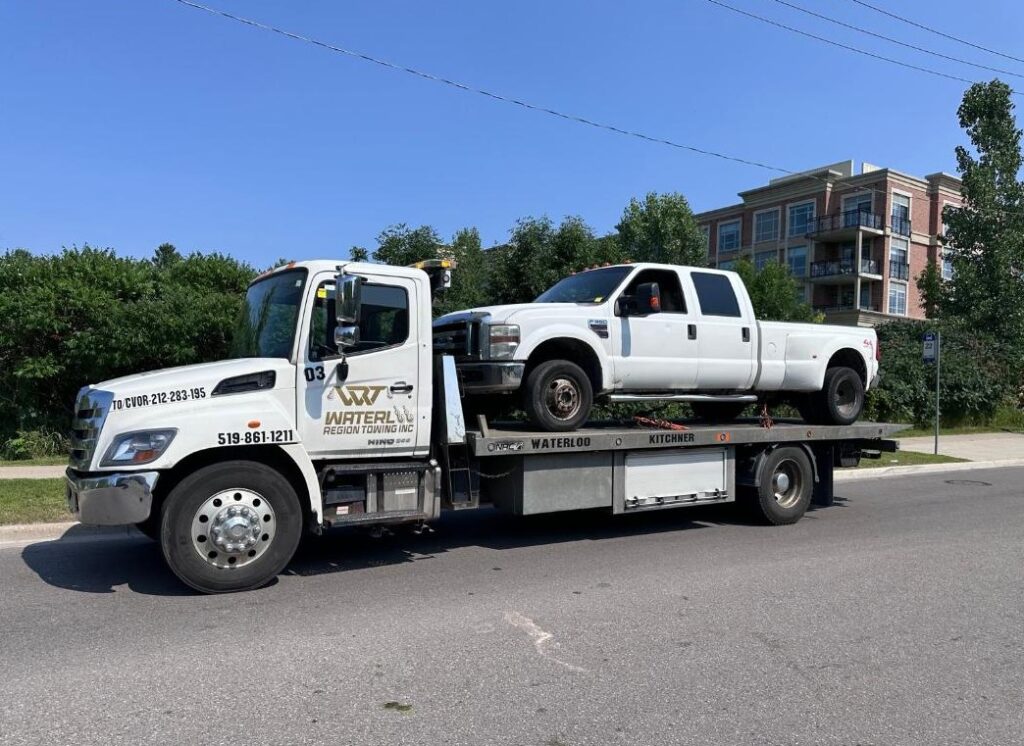
Searching for a flat bed tow truck service near me is common in winter for this exact reason.
Flatbeds are safest because:
- All four wheels are off the ground
- There’s no risk of drivetrain damage
- Cars can be transported even when immobilized
6. Safety Measures During Winter Recoveries
Winter recoveries come with unique challenges.
Tow operators take extra precautions such as:
- Wearing high-visibility winter gear
- Using road flares or reflective triangles
- Positioning the truck as a physical shield from traffic
- Applying wheel chocks
- Using slower, more controlled winching speeds
- Avoiding standing in “snap zones” near winch cables
Winter traction calls are often high-risk operations, especially during active snowfall and low visibility.
Top Situations That Require a Winter Traction Recovery
Drivers often underestimate how dangerous certain winter situations can be. You should call a towing company in Kitchener immediately if:
1. Your Car Slides Into a Snowbank
It looks harmless, but snowbanks can hide rocks, metal, or uneven ground.
2. Your Car Is Stuck on an Icy Hill
Trying to reverse can cause an uncontrolled slide.
3. You’re Blocking an Intersection in Ice
Traffic risk increases significantly.
4. Your Car Slides Partially Off the Road
Even a few inches off pavement can cause the vehicle to tip further if wheels spin.
5. You’re on Black Ice and Losing Control
If the car keeps sliding sideways or backward, call immediately.
What You Can Do Before the Tow Truck Arrives
These small steps improve safety and shorten recovery time:
✔ Turn on hazard lights
✔ Stay inside the vehicle if you’re on a busy road
✔ Avoid spinning your tires
✔ Give the tow operator precise location details
✔ Check out our winter safety guide “5 Winter Road Safety & Emergency Tips”
Winter traction recovery is a highly specialized towing service that requires training, caution, and the right equipment.
Whether you’re stuck on black ice, trapped in a snowbank, or sliding on an icy hill, professional recovery ensures you get back on the road safely and without damaging your vehicle.
And when winter gets unpredictable, knowing what to do (and what not to do) can make all the difference. For towing services, call Waterloo Region Towing today!