A dead car battery is frustrating at any time. In winter, it feels even worse. You may be leaving for work, sitting in a cold parking lot, picking up groceries, or trying to get home after a long day. You turn the key or press the start button, and nothing happens.
Sometimes you hear a clicking sound. Sometimes the dashboard lights flicker. Sometimes the car stays completely quiet.
Winter is hard on vehicle batteries. Cold weather makes the battery work harder, and short trips can make the problem worse. If you are dealing with a dead car battery Kitchener issue, it helps to know what to do, when to call for help, and how to stay safe while waiting.
Why Car Batteries Die More Often In Winter
Cold weather slows down the chemical reaction inside a battery. That means the battery has less power available when you need to start the engine.
At the same time, the engine needs more power to start in cold weather. Oil gets thicker. Moving parts feel heavier. The starter has to work harder.
So winter creates a double problem. The battery gives less power, but the car needs more power.
This is why many drivers need winter battery service Kitchener support during cold months.
Common Signs Of A Weak Or Dead Battery
A battery usually gives warning signs before it fully fails. Some are easy to notice. Others are easy to ignore.
Watch for these signs:
- The engine cranks slowly
- You hear clicking when starting the car
- Dashboard lights look weak
- Headlights look dim
- The car starts one day and fails the next
- The battery warning light appears
- Electrical features act strangely
- The car needs frequent boosts
- The battery is more than a few years old
If your car struggles to start in the morning, do not ignore it. That small delay may turn into a full no-start problem when the temperature drops again.
What To Do When Your Battery Dies
First, stay calm. A dead battery is common in winter, and help is usually available.
If the car is parked safely, stay inside if it is cold. Keep warm if you can. If you are in a parking lot, driveway, or roadside location, check your surroundings before stepping out.
Do not keep trying to start the car again and again. Repeated attempts can drain the battery further and may put stress on the starter.
If you are not sure what is wrong, call for roadside battery assistance Kitchener. A trained roadside technician can check the situation and try a safe battery boost.
When A Battery Boost Can Help
A battery boost can help when the battery is weak but not completely damaged. It gives the battery enough power to start the vehicle.
A car battery boost Kitchener service may help if:
- The battery is drained
- The lights were left on
- The vehicle sat too long
- Cold weather weakened the battery
- The car clicks but does not start
- The dashboard lights turn on but the engine does not crank properly
If the car starts after a boost, let it run for a while. Then get the battery tested soon. A boost gets you moving, but it does not always fix the reason the battery died.
When A Boost May Not Be Enough
Sometimes a boost does not solve the problem. That does not always mean the roadside technician did something wrong. It may mean the problem is deeper.
A boost may fail if:
- The battery is too old
- The battery has a bad cell
- The terminals are badly corroded
- The starter has failed
- The alternator is not charging
- The cables are damaged
- The vehicle has another electrical problem
- The battery is frozen
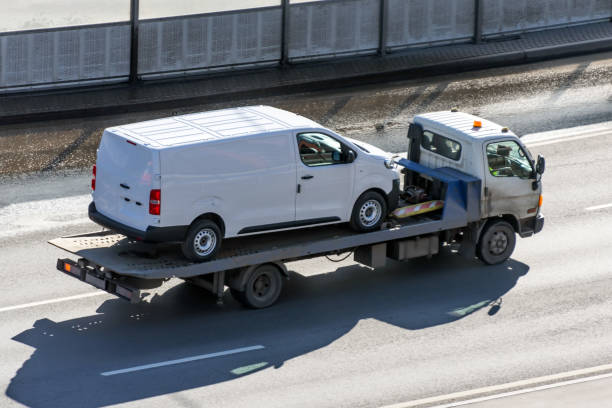
If the vehicle still will not start after a proper boost, towing may be needed. The car may need to go to a repair shop for testing.
Why You Should Not Guess The Problem
A no-start problem does not always mean the battery is bad. It may be the alternator, starter, wiring, loose terminals, or another issue.
Guessing can lead to wasted money. You may replace the battery and still have the same problem.
Roadside help can often tell whether the battery is likely the issue. If more testing is needed, they can help move the vehicle to a safe repair location.
This is especially useful during winter, when standing outside and trying to diagnose a car problem is uncomfortable and unsafe.
Emergency Battery Boost In Kitchener
An emergency battery boost Kitchener service is helpful when you are stuck and need quick support.
You may need emergency help if:
- You are stranded in cold weather
- Your car will not start at night
- You are in a parking lot after closing time
- You have children or passengers with you
- You are parked in an unsafe area
- You need to move the vehicle quickly
- You are blocking another vehicle or driveway
When calling, explain where you are, what vehicle you drive, and what happens when you try to start it. This helps the roadside team understand what equipment may be needed.
What To Tell The Roadside Team
Clear details help the technician reach you faster and prepare for the job.
Share:
- Your exact location
- Vehicle make and model
- Vehicle colour
- Whether the lights turn on
- Whether the engine clicks or cranks
- How long the vehicle has been sitting
- Whether the battery has died before
- Whether you are in a safe place
If you are in a large parking lot, mention the nearest store entrance or landmark. If you are on a road, give the closest intersection.
How To Stay Safe While Waiting
Winter roadside problems can be uncomfortable. Safety comes first.
While waiting:
- Stay inside the vehicle if it is safe
- Keep your phone nearby
- Turn on hazard lights if needed
- Stay away from traffic
- Keep warm with a coat or blanket
- Do not stand behind the vehicle near traffic
- Let the dispatcher know if you feel unsafe
- Avoid accepting help from strangers if you are unsure
If you are in immediate danger, call emergency services.
Can You Boost The Battery Yourself?
Some drivers carry booster cables or a portable jump starter. These can help, but only if used correctly.
A wrong connection can damage the vehicle’s electrical system. It can also be unsafe.
If you are not confident, do not guess. Modern vehicles can have sensitive electronics. It is better to call for professional help than risk damage.
Also, never try to boost a battery that looks cracked, leaking, swollen, or frozen. That situation needs professional handling.
How To Prevent Winter Battery Problems
You cannot control the weather, but you can reduce the chance of battery failure.
Before winter gets too cold, have your battery tested. This is especially important if the battery is older or the car has been slow to start.
Helpful winter habits include:
- Test the battery before deep cold
- Clean battery terminals
- Drive long enough to recharge the battery
- Avoid leaving lights on
- Turn off accessories before starting
- Park in a garage when possible
- Replace weak batteries before they fail
- Keep booster help information saved
- Watch for slow starts
Short trips can be hard on batteries because the vehicle may not run long enough to recharge fully. If most of your drives are short, pay closer attention to battery health.
When To Replace The Battery
A battery that needs frequent boosts may be near the end of its life. Repeated boosting is not a long-term solution.
Consider replacement if:
- The battery dies often
- It is several years old
- It tests weak
- The car starts slowly in cold weather
- Corrosion keeps returning
- The battery warning light appears
- The battery will not hold a charge
Replacing a weak battery before it fails can save you from being stranded during a cold Kitchener morning.
When Towing Is Needed
If the vehicle does not start after a boost, towing may be the safest choice. Towing may also be needed if the battery issue is linked to a starter, alternator, wiring, or electrical fault.
A roadside technician can help decide whether another boost attempt makes sense or whether the vehicle should go to a repair shop.
Do not keep trying to start the car if it clearly will not respond. That can make the problem worse.
Get Winter Battery Help When You Need It
A dead battery in winter can leave you cold, late, and stressed. But it is a common problem, and the right help can make the situation easier.
If your car will not start, avoid guessing. Stay safe, share your location clearly, and call for roadside battery support. A boost may get you moving again. If not, towing can get the vehicle to a repair shop safely.
For dependable dead car battery Kitchener help, car battery boost Kitchener service, and winter roadside support, contact Waterloo Region Towing when you need local assistance in cold weather.
FAQs
Why Do Car Batteries Die More Often In Winter?
Cold weather reduces battery power while the engine needs more power to start. This makes weak batteries fail more often in winter.
Can Roadside Assistance Boost A Dead Battery?
Yes. Roadside assistance can usually provide a battery boost if the battery is weak and the vehicle has no deeper issue.
What If My Car Does Not Start After A Boost?
If the car still does not start, the issue may be the battery, starter, alternator, wiring, or another electrical problem. Towing may be needed.
Is It Safe To Boost A Car Battery Myself?
It can be safe if you know the correct method and the battery is not damaged. If you are unsure, call professional roadside help.
How Do I Know My Battery Needs Replacement?
Frequent boosts, slow starts, weak lights, battery warning lights, and poor cold-weather starting can mean the battery needs replacement.
What Should I Do While Waiting For Battery Help In Winter?
Stay warm, keep your phone nearby, turn on hazard lights if needed, avoid traffic, and share your exact location with the roadside team.