A car breakdown in Waterloo can turn a normal day into a stressful one very quickly. It may happen on your way to work, while driving near the University District, during a grocery run, or on a busy road like King Street, Weber Street, Victoria Street, or Highway 85. The first few minutes matter most. What you do right away can help protect you, your passengers, and your vehicle.
This guide explains what to do after a car breakdown in Waterloo, when to call roadside assistance Waterloo, and how to stay safe while waiting for help.
Stay Calm And Focus On Safety First
When your car starts acting strange, try not to panic. You may notice warning lights, smoke, strange noises, steering problems, a flat tire, or loss of power. Keep both hands on the wheel and look for a safe place to stop.
Do not brake suddenly unless you have to. Turn on your hazard lights right away. This tells other drivers that something is wrong and gives them time to slow down.
If your car is still moving, guide it toward the right side of the road, a parking lot, a side street, or a wide shoulder. Your goal is to get away from moving traffic as safely as possible.
Pull Over In A Safe Place
Once you know your car is breaking down, move out of traffic as soon as you can. In Waterloo, some roads have narrow shoulders, busy intersections, bike lanes, and heavy pedestrian areas. Choose the safest available spot, not just the closest one.
A parking lot is usually better than the side of a busy road. A quiet side street is better than stopping near an intersection. If you are on a highway or major road and cannot exit safely, pull as far to the right as possible.
After stopping, keep your hazard lights on. If it is dark, raining, snowing, or foggy, keep your lights on as well so your vehicle is easier to see.
Check If Everyone Is Safe
Before checking the car, check yourself and your passengers. Ask if anyone is hurt, scared, or feeling unwell. If there is an accident, injury, fire, smoke, or immediate danger, call 911 first.
If the vehicle is in a dangerous spot, such as a live lane or a blind curve, it may be safer to leave the car only if you can do so without stepping into traffic. If you are on a highway, staying inside with your seatbelt on can sometimes be safer than standing outside near fast-moving vehicles.
Never stand behind or directly in front of a disabled vehicle. Other drivers may not see you in time.
Do Not Try Risky Repairs On The Roadside
It can be tempting to open the hood, change a tire, or inspect the vehicle right away. That is not always safe. If your car breaks down on a busy road, in poor weather, or at night, roadside repairs can put you at risk.
Simple checks are fine only when the vehicle is in a safe place. For example, you can look at the dashboard warning lights, check whether a tire is visibly flat, or see if steam is coming from the hood. But avoid crawling under the vehicle, standing near traffic, or trying to repair something you are not trained to fix.
This is when emergency car help Waterloo becomes important. A trained roadside team can assess the situation and decide whether your vehicle can be helped on-site or needs towing.
Call Roadside Assistance Waterloo
Once you are safe, call for roadside assistance Waterloo. Be ready to explain what happened in simple terms. You do not need to know the exact mechanical issue. Just describe what you noticed.
For example, tell them if the car will not start, the battery seems dead, the tire is flat, the engine overheated, you ran out of fuel, the keys are locked inside, or the vehicle stopped while driving.
If you need 24/7 roadside assistance Waterloo, make sure you give clear location details. Share the road name, nearest intersection, nearby landmark, parking lot name, or highway exit if you know it. If you are unsure, use your phone map to check your location.
Clear details help the roadside team reach you faster.
Share The Right Vehicle Details
When calling for help, provide your vehicle make, model, colour, and plate number if needed. This helps the driver find you, especially in a busy area or large parking lot.
You should also mention whether your vehicle is front-wheel drive, rear-wheel drive, all-wheel drive, electric, hybrid, or lowered if you know. This information can help the towing team bring the right equipment.
If your car is stuck in snow, mud, a ditch, underground parking, or a tight driveway, explain that too. Not every breakdown is the same, and the right details make the service smoother.
Stay Visible While Waiting
After calling for help, stay visible but safe. Keep your hazard lights on. If you have reflective triangles or safety markers and it is safe to place them, use them. Do not walk into traffic to set them up.
If you are waiting inside the vehicle, keep your seatbelt on if you are near moving traffic. If you are in a safe parking lot, you may wait outside the car, but stay close enough to see when help arrives.
In winter, keep warm but be careful with the engine if snow is blocking the exhaust pipe. A blocked exhaust can be dangerous. If you are unsure, turn the engine off and wait for help.
Be Careful With Strangers Offering Help
Many people mean well, but it is still wise to be careful. If someone stops to help, you can thank them and let them know roadside assistance is already on the way.
Avoid accepting a tow from an unknown driver or giving personal details to someone you did not call. A professional service should identify itself clearly when it arrives.
If you feel unsafe at any point, call local emergency services and explain your location.
Know When Towing Is Better Than Repair
Some breakdowns can be handled on the spot. A dead battery may need a boost. A flat tire may need a tire change. A lockout may need safe entry support. Running out of fuel may only need fuel delivery.
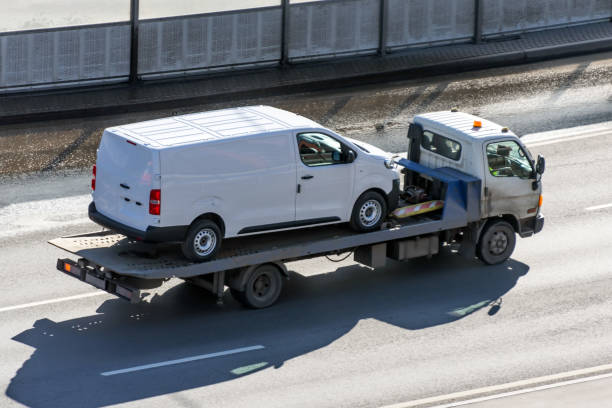
Other problems should not be pushed. If your car is overheating, leaking fluid, making loud grinding noises, losing steering control, or showing serious warning lights, towing may be the better choice. Driving a damaged vehicle can make the problem worse and cost more later.
A roadside assistance Waterloo team can help you decide whether the car should go to your home, a repair shop, or another safe location.
What To Do If Your Car Breaks Down In Winter
Winter breakdowns in Waterloo can be more serious because of snow, ice, low visibility, and freezing temperatures. Roads can become slippery fast, and other drivers may need more time to stop.
If your car breaks down in winter, stay warm, keep your phone charged, and avoid standing outside for long. If you have a blanket, gloves, or winter kit in the car, use them.
Winter can also drain weak batteries, reduce tire pressure, and make small mechanical issues worse. That is why 24/7 roadside assistance Waterloo is especially useful during cold months.
What To Keep In Your Car For Emergencies
A small emergency kit can make a breakdown less stressful. Keep a phone charger, flashlight, blanket, water, gloves, reflective triangle, basic first aid kit, and windshield washer fluid in your vehicle.
In winter, add a snow brush, ice scraper, small shovel, and warm clothing. These items do not replace professional help, but they can keep you safer while you wait.
Final Thoughts
A car breakdown Waterloo drivers face can happen without warning. The most important steps are simple. Stay calm. Move to safety. Turn on your hazard lights. Check your passengers. Avoid risky roadside repairs. Then call trusted emergency car help Waterloo.
The right response can protect you from danger and prevent extra damage to your vehicle. Whether it is a flat tire, dead battery, lockout, overheating issue, or complete vehicle failure, professional roadside help can make the situation easier to manage.
If your vehicle breaks down in Waterloo and you need safe, reliable help, contact Waterloo Region Towing for roadside assistance, emergency car help, and towing support when you need it most.
FAQs
What Should I Do First If My Car Breaks Down In Waterloo?
Turn on your hazard lights and move to a safe place if you can. Once you are away from traffic, check that everyone is safe and call roadside assistance Waterloo.
Should I Stay Inside My Car During A Breakdown?
It depends on where you are stopped. If you are near fast-moving traffic, staying inside with your seatbelt on may be safer. If you are in a safe parking lot or side street, you can wait outside but stay away from traffic.
Can Roadside Assistance Help With A Dead Battery?
Yes. Many roadside assistance services can help with battery boosts, flat tires, lockouts, fuel delivery, and towing when needed.
Is 24/7 Roadside Assistance Waterloo Useful In Winter?
Yes. Winter breakdowns can be more stressful because of cold weather, icy roads, and poor visibility. Having access to 24/7 roadside assistance Waterloo can help you get support at any time.
Should I Try To Drive My Car After It Breaks Down?
Only drive again if the issue is minor and it is safe to do so. If your vehicle is overheating, leaking, making loud noises, or showing serious warning lights, call for help instead of risking more damage.