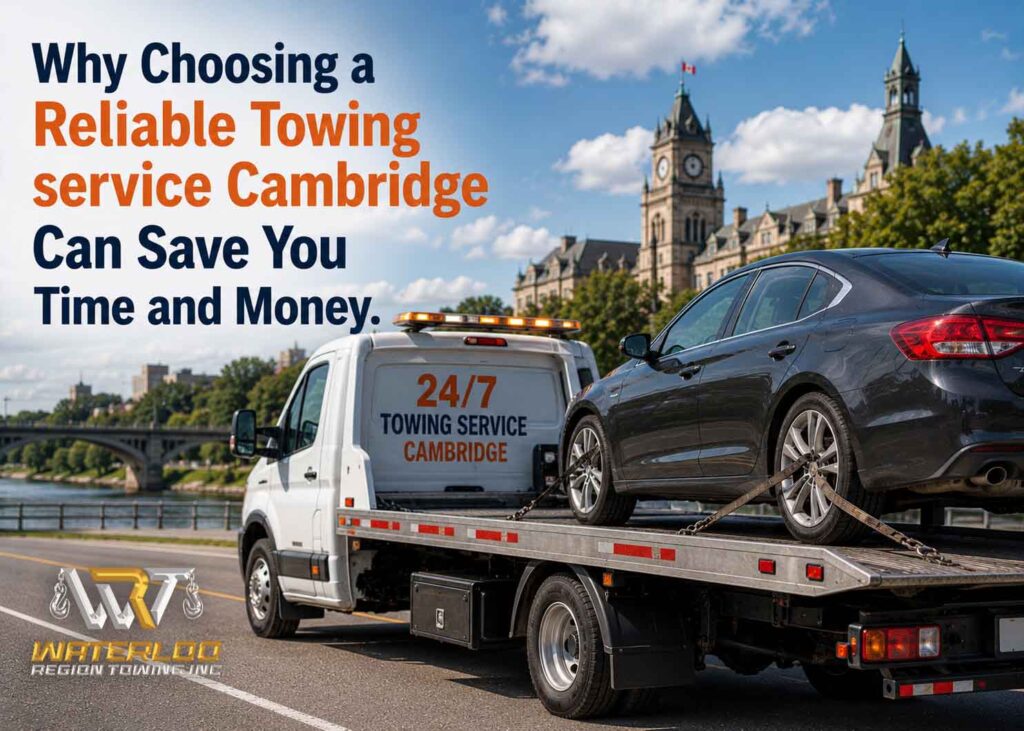
Anyone can drive a flatbed truck. Not everyone can load a vehicle onto one and have it arrive exactly the way it left.
The difference comes down to a handful of details most drivers never see, and most towing companies don’t bother explaining. Here’s what actually goes into keeping a vehicle secure on a flatbed from start to finish.
TL;DR: Professional flatbed towing services secure a vehicle using correct loading angles, weight-rated straps at proper attachment points, and even weight distribution across the deck. Drivers also inspect the vehicle before loading and recheck straps during longer trips. Together, these steps are what separates secure vehicle transport from a rushed, risky one.
What “Secure Transport” Actually Means
Secure doesn’t just mean the car doesn’t fall off. It means the vehicle experiences no shifting, no added stress on its frame or suspension, and no new damage between pickup and drop off.
A car that arrives with a fresh scuff or a shifted position on the deck wasn’t secured properly, even if it technically made the trip. Secure vehicle transport is judged by the condition of the car at the end, not just whether it got there.
The Loading Process Step by Step
The deck lowers to a controlled incline, low enough to avoid scraping the vehicle’s front end but steep enough to load efficiently. The car is then winched or driven up under close supervision from the driver.
Once positioned, the deck returns to level and the driver checks the vehicle’s placement before anything gets strapped down. Getting the position right at this stage avoids having to readjust later, which is where risk of scuffing or misalignment increases.
Flatbed towing Waterloo companies with experienced drivers rarely need a second attempt at this step.
Why Strap Placement Is Not One Size Fits All
Every vehicle has designated tie down points, usually near the frame or axle, built to handle this exact kind of load. Straps placed anywhere else, like a bumper or a plastic underbody panel, can slip or cause damage under tension.
A sedan, a pickup truck, and an SUV all have different points, and a driver needs to know where to look rather than strapping down wherever seems convenient. This is a big part of what flatbed tow truck services actually charge for, even though it’s invisible to the customer once the car is loaded.
Weight Distribution and Highway Stability
Where a vehicle sits on the deck affects how the whole truck handles at speed. A car loaded too far forward or back shifts the truck’s balance, which becomes noticeable during braking or on uneven roads.
Drivers account for this by positioning the vehicle correctly on the deck before securing it, not after. This step matters more on longer highway tows, where speed and distance give any small error more time to become a real problem.
Checks Before, During, and After the Tow
A professional process doesn’t stop once the straps are tight. Drivers typically check the vehicle again a short distance into the trip, since straps can settle slightly once the truck is moving.
Before loading, the driver notes any existing damage on the vehicle. During longer trips, a stop to recheck strap tension is standard practice. After drop off, the vehicle is unloaded at the same controlled angle it was loaded, avoiding any last minute scrapes or bumps.
This full loop, not just the loading itself, is what safe vehicle transportation actually requires.
Signs You’re Dealing With a Professional Service
A few details tell you quickly whether a flatbed service takes this seriously.
- The driver inspects your car before loading, noting any existing damage
- Straps go to the frame or axle, not the bumper or plastic trim
- The vehicle sits centered on the deck, not pushed to one side
- The driver checks straps again on longer trips, not just once at pickup
- Unloading happens carefully, at a matched incline, not a rushed drop
FAQ
Can flatbed towing damage my car if done incorrectly?
Yes, if straps are placed on the wrong points or the vehicle isn’t positioned properly on the deck. This is why choosing an experienced company matters more than choosing the cheapest one.
How long does it take to secure a vehicle on a flatbed?
Typically a few minutes once the vehicle is loaded, though it can take longer for vehicles with unusual shapes, low clearance, or existing damage that requires extra care.
Do all vehicles get strapped the same way?
No. Tie down points vary by vehicle type, and an experienced driver adjusts strap placement accordingly rather than using the same approach for every car.
What happens if a strap loosens during a long tow?
Professional drivers check strap tension during longer trips, especially on highways, and retighten as needed. This is a standard part of the process, not an emergency fix.
Is flatbed towing safer for long distance transport compared to short local tows?
Flatbed towing is generally the safer method regardless of distance, but the checks during transport become more important the longer the trip runs.
Get Vehicle Transport That’s Handled the Right Way
Secure transport isn’t just about getting a car from point A to point B. It’s about the small details that keep it in the same condition it started in.
WR Towing’s flatbed drivers handle vehicles across Waterloo, Kitchener, and Cambridge with the care this process actually requires. Reach out or request a quote whenever you need a tow done properly.