Nobody plans for an accident, and in the minutes after one, towing is probably the last thing on your mind. But how your vehicle gets moved from the scene affects everything that comes next, from the repair estimate to the insurance claim.
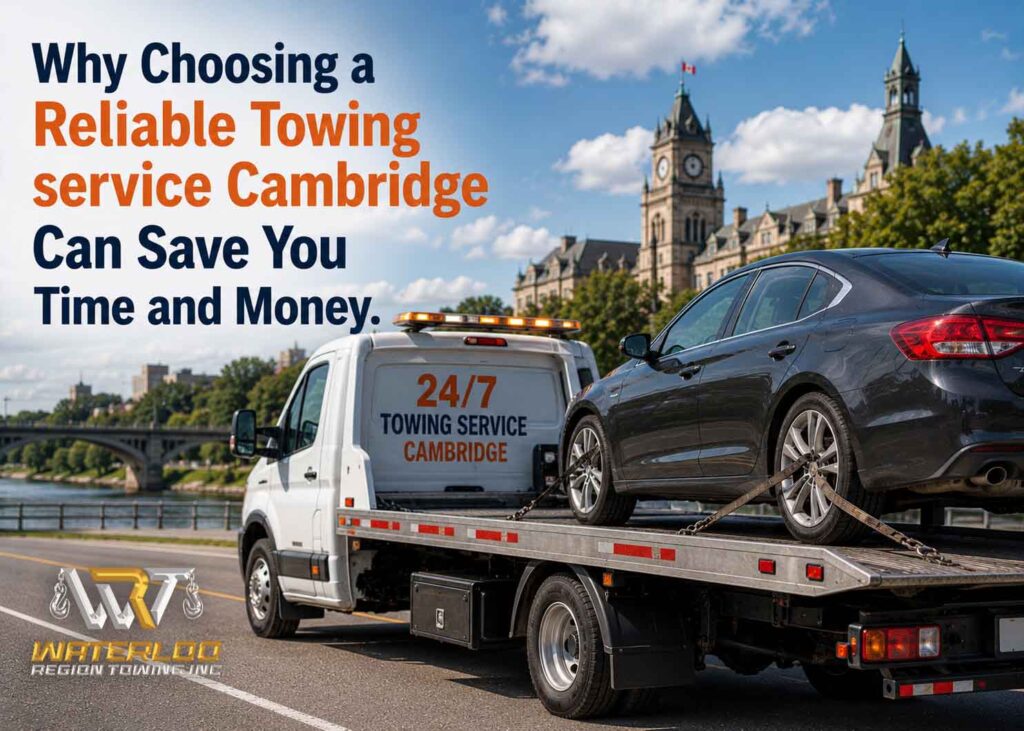
This is exactly where flatbed towing earns its reputation.
TL;DR: Flatbed towing is the most reliable choice for accident-damaged vehicles because it lifts the car fully off the road instead of dragging it on compromised wheels or suspension. This protects the vehicle from further damage and keeps the collision assessment accurate for insurance. For anything beyond a minor fender bender, flatbed towing services should be the default request.
Why Accident Recovery Is Different From a Routine Tow
A vehicle that’s been in a collision isn’t the same as one that simply broke down. Frames can be bent, suspension can be knocked out of alignment, and wheels can be pointed in directions they shouldn’t be, even when the car still looks mostly intact.
Standard towing assumes the vehicle can roll and steer normally on the wheels left touching the ground. After an accident, that assumption often doesn’t hold. Accident vehicle towing needs a method that doesn’t rely on the car functioning properly at all.
What Flatbed Towing Actually Prevents
Dragging a damaged vehicle on its wheels, even for a short distance, can turn a repairable problem into a total loss. A bent wheel scraping against a wheel well, a leaking fluid line dripping the whole way to the shop, or a misaligned axle grinding under load all get worse with movement.
Flatbed towing removes the vehicle from the road surface completely. Nothing rolls, nothing drags, and nothing under the car takes on additional stress during transport.
For accident-damaged vehicle towing, this isn’t a preference. It’s the difference between a vehicle that can be assessed and repaired properly, and one that arrives at the shop worse off than when it left the scene.
Protecting Your Insurance Claim
Insurance adjusters assess damage based on the condition of the vehicle when it reaches their inspection point. If a car picks up new damage during the tow, that gets factored into the claim, sometimes in ways that complicate what should have been a straightforward process.
A flatbed tow truck keeps the vehicle in the same condition it was in at the scene. That matters for the adjuster, for the repair shop, and for you if there’s ever a dispute about what damage happened when.
Handling Different Types of Collision Damage
Not every accident causes the same kind of damage, and flatbed towing adapts to most of it without extra steps.
A front end collision that’s crushed the bumper still allows the vehicle to be winched onto the bed without needing the front wheels to roll. A side impact that’s damaged a door or wheel well doesn’t interfere with the loading process either. Even a vehicle that’s been rolled or has significant frame damage can usually still be secured and transported safely on a flatbed tow truck, since the deck supports the full weight of the car rather than relying on its own wheels.
Why Reliability Matters Most Right After a Crash
An accident scene isn’t the place for uncertainty. Police may be waiting for the road to clear, other drivers are working around the wreck, and you’re likely dealing with the shock of what just happened.
A towing company that shows up quickly, with the right equipment already on the truck, takes one variable out of an already stressful situation. That reliability isn’t just about speed. It’s about knowing the vehicle will be handled correctly the first time, without a second call needed because the wrong truck showed up.
What to Ask For When You Call
If you’ve been in an accident, be specific when you call for a tow.
- Say the word “accident” so dispatch sends the right equipment from the start
- Mention any wheels that won’t turn or visible frame damage
- Confirm flatbed towing is included, not assumed
- Ask where the vehicle will be taken, whether that’s a shop, a storage yard, or your home
- Get an estimate upfront if the situation allows for it
FAQ
Is flatbed towing required after every accident?
Not always, but it’s the safer default for anything beyond a very minor bump with no wheel or suspension damage. If you’re unsure, ask the tow company to confirm based on what you describe.
Will my insurance cover flatbed towing after a crash?
Most policies with roadside or collision coverage include towing costs, though the specifics depend on your provider. Check your policy or ask the towing company if they bill insurance directly.
Can a flatbed truck move a car that’s been rolled?
Yes, in most cases. The vehicle is winched onto the deck rather than driven, so it doesn’t need to be in driveable condition to be loaded safely.
How soon after an accident can a flatbed tow truck arrive?
This depends on location and current calls in progress, but a local company with trucks stationed around the region typically responds faster than one dispatching from farther away.
Does the tow truck take my car straight to the repair shop?
You can usually choose the destination, whether that’s your preferred shop, a storage facility, or another location. Let the driver know when you call or when they arrive.
Request Reliable Flatbed Towing After Your Accident
The minutes after a crash aren’t the time to gamble on how your vehicle gets moved. Flatbed towing protects what’s left of the car and keeps the process straightforward from the scene to the shop.
WR Towing keeps flatbed trucks ready across Waterloo, Kitchener, and Cambridge for exactly this kind of call. Contact our team any time you need accident recovery done right.