Not every tow needs the same equipment. A quick tow across town for a dead battery is a very different job than moving a lowered sports car or an all-wheel-drive SUV after an accident. Waterloo drivers don’t always know there’s a choice, let alone which one fits their situation.
Understanding the difference between flatbed and wheel-lift towing means you can actually ask for the right one, instead of just taking whatever truck shows up.
This post breaks down when each method makes sense.
TL;DR
- Flatbed towing carries the whole vehicle off the ground; wheel-lift towing lifts only one axle while the other rolls.
- Wheel-lift towing suits short, simple tows on standard front or rear-wheel-drive vehicles.
- Flatbed towing is the better choice for all-wheel drive, low-clearance, or damaged vehicles.
- Cost differences are usually modest, and the right method depends more on the vehicle than the price.
1. The Core Difference Between the Two Methods
The distinction comes down to how much of the vehicle actually touches the road during the tow. Wheel-lift towing raises one end of the car, usually the front, while the other end’s wheels stay on the ground and roll along behind the truck.
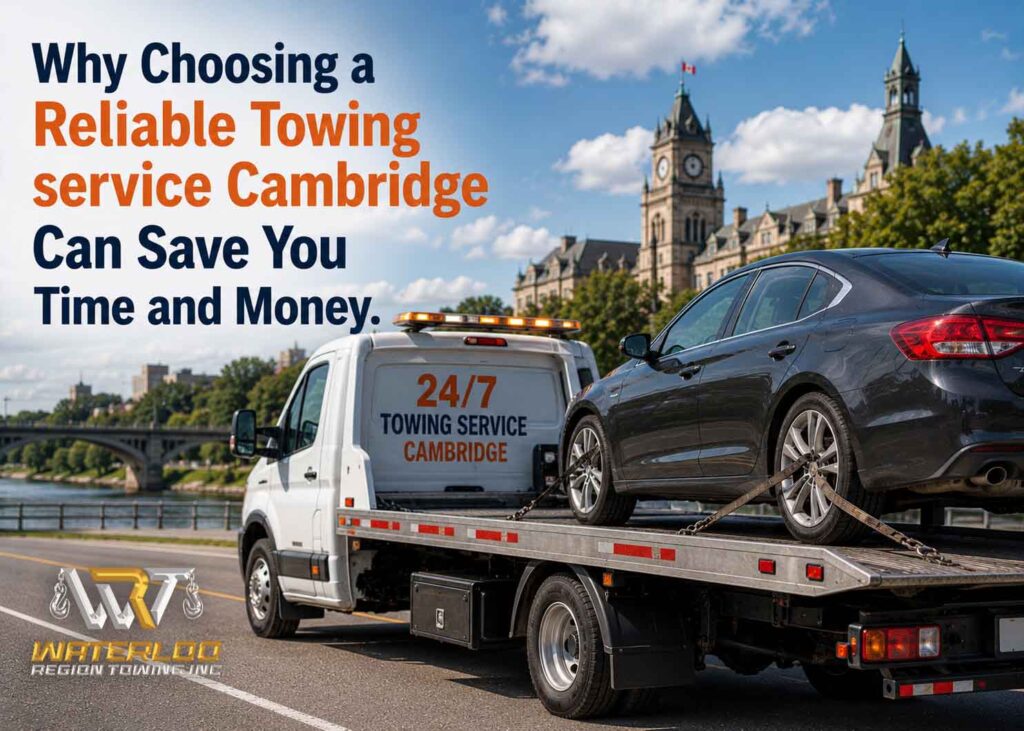
Flatbed towing removes this entirely. The vehicle is loaded fully onto a flat platform, so no wheels touch the road at any point during transport.
2. How Wheel-Lift Towing Works
A wheel-lift truck uses a hydraulic arm with a metal yoke that cradles the tires of one axle, lifting that end of the vehicle off the ground. The truck then tows the car with the rear wheels rolling freely behind it.
This method is quick to set up and works well for standard vehicles being moved a short distance, which is why it’s common for quick calls like a dead battery tow or a parking violation.
3. How Flatbed Towing Works
A flatbed truck lowers its bed to ground level, letting the vehicle be driven or winched fully onto the platform. Once loaded, the bed returns to level and the car is secured with straps for the drive.
Since nothing rolls or drags, this method avoids the wear and risk that come with wheel-lift towing, particularly for vehicles that aren’t built to be towed with wheels on the ground.
4. When Wheel-Lift Is the Right Call
Wheel-lift towing services Waterloo work well for standard front or rear-wheel-drive vehicles going a short, straightforward distance, like a tow from a driveway to a nearby shop. It’s typically faster to dispatch and set up, since the equipment is simpler and more widely available.
For a routine breakdown with no major damage and no drivetrain complications, wheel-lift is often the practical, cost-effective choice.
5. When Flatbed Is the Right Call
Flatbed becomes the better option for a specific set of situations: all-wheel or four-wheel-drive vehicles, low-clearance cars where the bumper risks scraping during pickup, vehicles with visible or suspected frame damage, and any tow covering a longer distance.
A flatbed towing truck Waterloo drivers request for these cases avoids the drivetrain and suspension strain that wheel-lift towing can cause on vehicles that aren’t designed for it.
6. Cost Differences Between the Two
Flatbed towing typically costs somewhat more than wheel-lift towing, reflecting the specialized equipment and slightly longer loading process. The difference isn’t usually dramatic, though, especially when weighed against the cost of drivetrain or suspension repairs that improper towing could cause.
For standard vehicles going a short distance, the wheel-lift option remains the more budget-friendly and perfectly safe choice.
7. How to Decide Which One You Need
The simplest way to decide is to think about the vehicle first, then the distance. All-wheel drive, low clearance, or visible damage points toward flatbed. A standard vehicle going a short, local distance with no complications usually does fine with wheel-lift.
When in doubt, mentioning your vehicle’s drivetrain and condition when you call lets the dispatcher recommend the right method rather than guessing.
FAQ
Can wheel-lift towing damage an all-wheel-drive vehicle?
Yes, towing with wheels on the ground can strain the drivetrain on vehicles not designed for that kind of unpowered rolling.
Is flatbed towing always safer than wheel-lift?
It’s generally lower risk since nothing touches the road, but wheel-lift is perfectly safe for standard vehicles on short, simple tows.
How much more does flatbed towing cost in Waterloo?
It’s typically a modest increase over wheel-lift, reflecting the equipment and loading time involved.
Can I request flatbed towing even for a short distance?
Yes, you can request it for any tow, and it’s worth doing for low-clearance or all-wheel-drive vehicles regardless of distance.
Which method is faster to dispatch?
Wheel-lift trucks are often quicker to dispatch since the equipment is more commonly available, though this varies by provider.
Conclusion
Not sure which towing method your vehicle needs? Call WR Towing at +1 (519) 861-1211 and we’ll recommend the right one, or request a quote online. See our full flatbed towing service page for details.