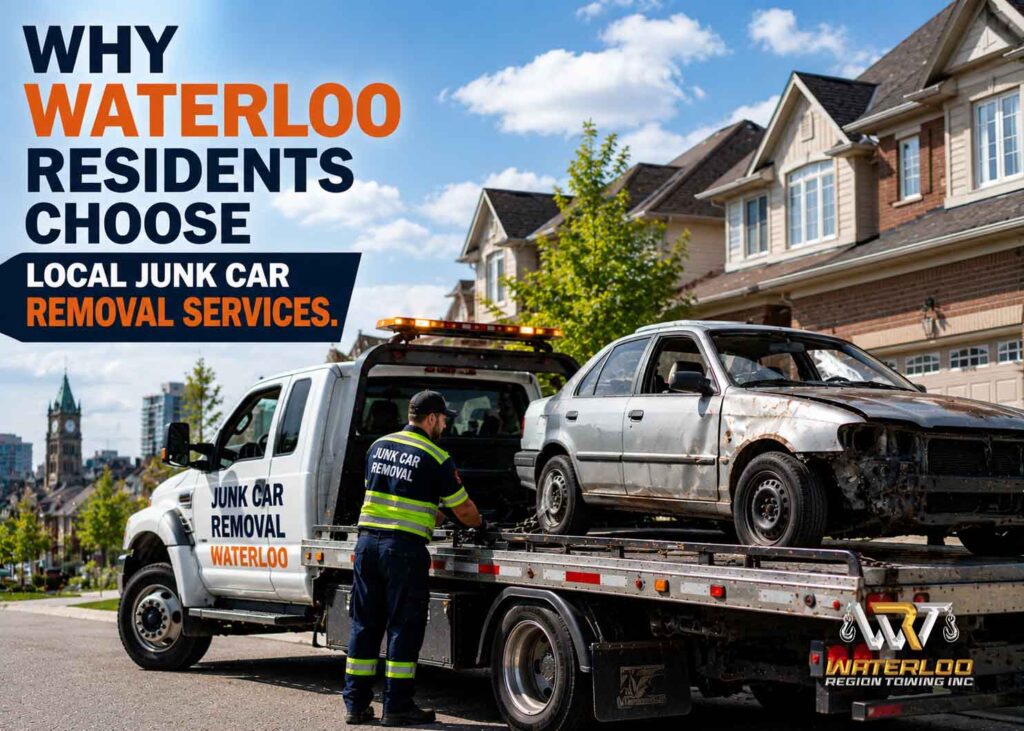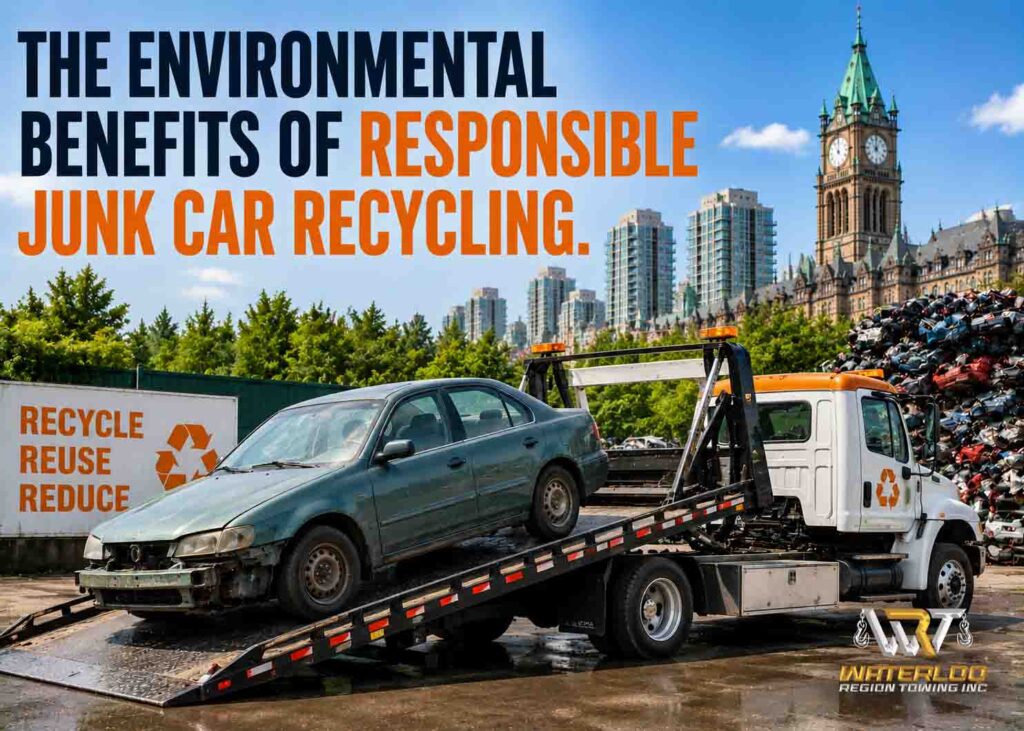
Selling a dead car privately sounds simple until you actually try it. You post it online, field a dozen messages from people who never show up, and eventually end up negotiating with a stranger in your driveway over a vehicle that doesn’t even run.
Junk car removal services exist because most people don’t have the time or patience for that. One call gets the vehicle picked up, recycled properly, and off your property, usually within a day or two.
We’ve picked up everything from flooded sedans to trucks that haven’t started in five years. The reason people call a removal service instead of dealing with it themselves almost always comes down to the same thing: convenience.
TL;DR
- Junk car removal services combine towing, paperwork, and vehicle recycling into a single call
- You skip the hassle of private buyers, no-shows, and negotiating over a car that doesn’t run
- Most pickups happen within a day or two, and the vehicle doesn’t need to be running or intact
- Working with a licensed vehicle recycling service also protects you from liability down the road
Why Getting Rid of a Junk Car Is Usually More Work Than It Should Be
A car that no longer runs isn’t just sitting there doing nothing. It’s taking up a parking spot, it’s an eyesore for the neighbors, and depending on your municipality, it might be violating a bylaw about non-running vehicles on residential property.
Trying to handle it yourself usually means three separate headaches. First, finding a tow company willing to move a car that can’t drive on its own. Second, tracking down a scrap yard or buyer. Third, sorting out the ownership transfer paperwork so the vehicle isn’t still tied to your name after it’s gone.
Most people give up somewhere in that process and just leave the car parked. That’s exactly the gap junk car removal services fill.
What Junk Car Removal Services Actually Handle for You
A real junk car removal service does more than send a tow truck. It coordinates the whole exit for the vehicle, start to finish.
That includes the physical pickup, whether the car rolls or not. It includes confirming the vehicle recycling facility on the other end is licensed to process it responsibly, draining fluids and pulling the battery before anything gets crushed. It also includes the ownership transfer, so you’re not left holding a bill of sale that never got filed.
Skip any one of these steps and the “convenience” disappears fast. You end up making follow-up calls, chasing down a receipt, or worse, dealing with a bylaw notice for a car that’s supposedly already gone.
How Vehicle Recycling Services Simplify the Process
Vehicle recycling services work behind the scenes of every good junk car removal. Once the vehicle is picked up, it goes through drainage, part recovery, and metal shredding rather than sitting in a lot somewhere.
This matters for two reasons. It means the vehicle actually gets processed instead of becoming someone else’s problem, and it means you can walk away without wondering what happened to it. A junk car removal service that partners with a real recycling facility can usually tell you exactly what happens after pickup, because they’ve done it hundreds of times.
Junk car recycling also tends to pay better than a private sale for anything that doesn’t run. Scrap value comes from weight and metal content, not curb appeal, so a rusted out shell is still worth something to the right recycler.
The Convenience Factor: Pickup, Paperwork, and Payment
Convenience isn’t just about speed. It’s about how many things you have to think about during the process.
With a proper removal service, you make one call, give the vehicle’s location and condition, and get a pickup window. The company brings the tow truck, handles loading, and takes care of the paperwork on site.
Payment usually happens the same day, either as cash or a cheque, depending on the company and the vehicle’s condition. You’re not waiting weeks for a private buyer to follow through, and you’re not stuck negotiating down from an inflated asking price.
What to Expect the Day of Pickup
The process itself is short. A driver shows up in the scheduled window, does a quick check of the vehicle and its condition, and confirms the details match what was described on the phone.
You’ll sign a bill of sale or release of ownership, which protects you from any future liability tied to the vehicle. The car gets loaded and towed away, and if payment wasn’t arranged in advance, it’s handled right there.
Most pickups take fifteen to twenty minutes from arrival to the truck pulling away. That’s the entire process, no drop-off required, no separate trip to a scrap yard.
Junk Car Removal vs Selling It Yourself
Selling a running car privately can make sense if you have the time and the vehicle still has decent value. A junk car is a different situation.
Private buyers for non-running vehicles are harder to find, and the ones who do respond are often looking for a lowball deal. You’re also on the hook for arranging your own tow, since most buyers won’t come pick up a car that doesn’t drive.
Junk car removal services skip all of that. The pickup is included, the price reflects scrap and part value rather than a guess, and the paperwork is handled the same day. For a vehicle that’s done running, it’s usually the faster and less stressful route.
FAQ
Do I need the title to have my junk car removed?
In most cases yes, since it’s needed to transfer ownership legally. If the title is lost, some junk car removal services can still help using alternative documentation, so it’s worth asking when you call.
Can you tow a car that doesn’t start or roll?
Yes. Most vehicles picked up for recycling don’t run at all, and flatbed equipment can move a car even if the wheels are locked or the frame is damaged.
How fast can a junk car removal service pick up my vehicle?
Same-day or next-day pickup is common in Waterloo, Kitchener, and Cambridge, depending on scheduling and your location.
Is there a fee for junk car removal, or do I get paid?
Most reputable services pay you based on the vehicle’s scrap and part value rather than charging a fee, though this depends on condition and weight.
What happens to my car after it’s picked up?
It goes through vehicle recycling: fluids and the battery are removed first, then usable parts are pulled, and the remaining metal is shredded and recycled.
Conclusion
If that unwanted car has been sitting long enough that you’ve stopped noticing it, that’s usually the sign it’s time to make the call. Request a quote from Waterloo Region Towing and we’ll take care of the pickup, the paperwork, and the recycling in one trip.