A towing service may seem simple from the outside. A tow truck arrives, loads the vehicle, and takes it away. But the full process includes several important steps. Each step helps keep the driver, vehicle, tow operator, and other road users safe.
If you have never called a tow truck before, it is normal to feel unsure. You may wonder what information to give, how long the process takes, how the vehicle is loaded, and where it will be taken.
This guide explains how towing services work in a simple way. It covers the full towing service process, from the first call to final drop-off.
Step 1: You Contact The Towing Company
The process starts when you call the towing company. This may happen after a breakdown, accident, flat tire, dead battery, lockout, or another roadside problem.
When you call, the dispatcher will usually ask for basic details.
They may ask:
- Where are you located?
- Are you in a safe place?
- What type of vehicle do you have?
- What problem are you facing?
- Is the vehicle damaged?
- Is the vehicle blocking traffic?
- Where do you want the vehicle taken?
- Do you need roadside help or full towing?
Try to give your location as clearly as possible. Use street names, nearby buildings, highway exits, parking lot names, or map pins if available.
This step helps the towing company send the right truck and equipment.
Step 2: The Dispatcher Chooses The Right Tow Truck
Not every vehicle needs the same type of tow truck. A small car, SUV, pickup, van, motorcycle, or accident-damaged vehicle may need different handling.
The dispatcher uses your information to decide what type of truck is needed.
Common towing options include:
- Flatbed tow truck
- Wheel-lift tow truck
- Heavy-duty tow truck
- Winch-out truck
- Roadside assistance vehicle
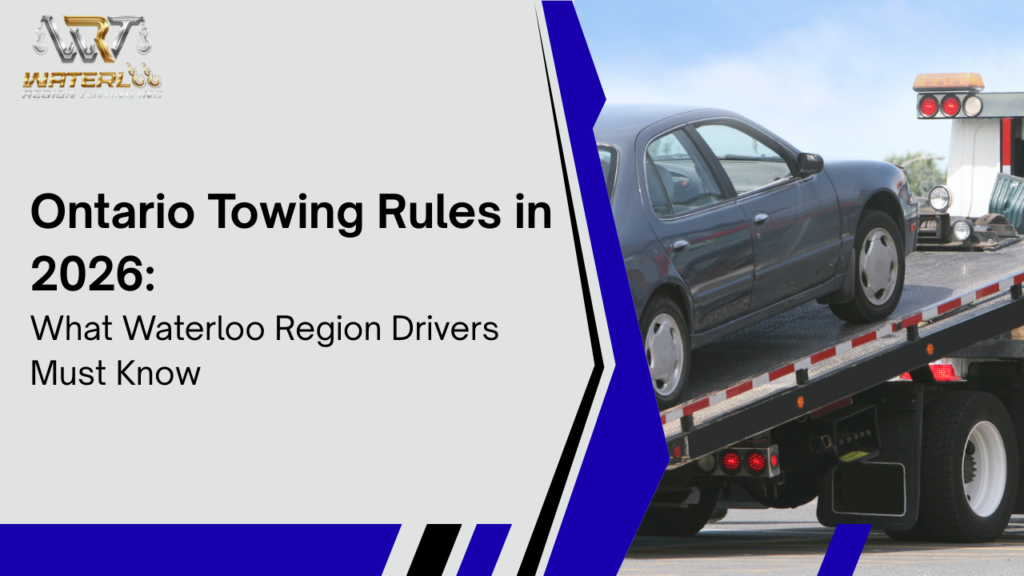
A flatbed truck carries the full vehicle on the truck bed. This is often used for accident damage, all-wheel-drive vehicles, long-distance towing, or cars that should not roll.
A wheel-lift truck lifts part of the vehicle and tows it on two wheels. This can work for many standard towing jobs.
This is an important part of the towing procedure explained because the wrong truck may delay the job or risk vehicle damage.
Step 3: The Tow Truck Driver Heads To Your Location
Once the job is assigned, the tow truck driver travels to your location. Arrival time can depend on traffic, weather, distance, road conditions, and how busy the service is.
While waiting, stay safe. Turn on your hazard lights. If possible, move your vehicle away from traffic. If you are on a highway or busy road, avoid standing near moving vehicles.
If the vehicle is in an unsafe spot, tell the towing company. This helps the driver prepare before arriving.
Keep your phone nearby in case the driver needs help finding you.
Step 4: The Driver Checks The Situation
When the tow truck arrives, the driver will first inspect the vehicle and surroundings. This helps them decide the safest way to handle the job.
They may check:
- Vehicle position
- Vehicle damage
- Tire condition
- Steering condition
- Parking brake
- Transmission status
- Roadside space
- Traffic risk
- Loading angle
- Safe towing points
This inspection is important. A vehicle after an accident may not roll properly. A car with a flat tire may need careful loading. A vehicle stuck in snow, mud, or a ditch may need winching before towing.
A professional driver does not rush this step. Careful inspection helps prevent extra damage.
Step 5: The Driver Explains The Plan
A good tow truck operator will explain what they are going to do. This may include the towing method, where the vehicle will be loaded, and how it will be secured.
This is helpful because many drivers feel stressed during a roadside problem. A clear explanation makes the process easier to understand.
You can also ask questions before the tow begins. For example, you can ask where the vehicle will be dropped off, how payment works, or whether you can ride with the driver if allowed.
Step 6: The Vehicle Is Prepared For Towing
Before loading, the driver prepares the vehicle. This may include placing the vehicle in neutral, releasing the parking brake, checking steering, or attaching hooks and straps.
If the vehicle does not move, the driver may use a winch to pull it safely onto the flatbed.
For some vehicles, special care may be needed. Low-clearance vehicles, all-wheel-drive cars, electric vehicles, and damaged vehicles may require extra attention.
This step shows how a tow truck works in real situations. The truck does not simply pull the vehicle. It uses controlled equipment to move the vehicle safely.
Step 7: The Vehicle Is Loaded
The loading process depends on the type of tow truck.
With a flatbed truck, the bed is lowered or tilted. The vehicle is then pulled or driven carefully onto the bed. Once the vehicle is in the correct position, the bed is raised back into place.
With a wheel-lift truck, the towing system is placed under the vehicle’s wheels. The front or rear of the vehicle is lifted, depending on the situation.
The driver must load the vehicle carefully so it stays balanced and secure during transport.
Step 8: The Vehicle Is Secured
After loading, the vehicle must be secured properly. This is one of the most important parts of the step by step towing service process.
The driver may use:
- Safety chains
- Wheel straps
- Tie-down straps
- Hooks
- Brackets
- Wheel chocks
The goal is to keep the vehicle stable while the tow truck moves. A properly secured vehicle should not shift, roll, or bounce during transport.
The driver may do a final walk-around before leaving. This helps confirm that everything is safe.
Step 9: The Vehicle Is Transported
Once the vehicle is secure, the driver transports it to the chosen location. This may be a repair shop, dealership, home, storage yard, or another safe place.
During transport, the tow truck driver must drive carefully. A loaded tow truck needs more stopping distance and careful handling.
If your vehicle is going to a repair shop, make sure the shop is open or has a safe drop-off option. If the vehicle is going to your home, make sure there is enough space for unloading.
Step 10: The Vehicle Is Unloaded Safely
At the destination, the driver unloads the vehicle. The unloading method depends on the truck and vehicle condition.
With a flatbed, the bed is tilted again and the vehicle is rolled or winched down carefully. With a wheel-lift tow, the vehicle is lowered back onto the ground.
The driver will usually place the vehicle where requested, as long as it is safe and possible.
Once unloaded, the driver removes straps, chains, hooks, and equipment. They may also check that the vehicle is stable before leaving.
Step 11: Payment And Final Details Are Completed
After the job is done, payment is handled based on the company’s process. Some towing companies accept cards, cash, or digital payment methods.
The cost may depend on:
- Distance
- Type of vehicle
- Type of tow truck
- Time of day
- Roadside difficulty
- Winching needs
- Storage or drop-off requirements
A reliable company should explain pricing clearly before or during the service.
You may also receive a receipt or service record. Keep this if the tow is related to insurance, repairs, or an accident.
When Roadside Assistance May Replace Towing
Not every call ends with a tow. Sometimes roadside help is enough.
You may not need towing if the issue is:
- A dead battery that can be boosted
- A flat tire with a usable spare
- A simple lockout
- Running out of fuel
- A minor issue that can be safely fixed roadside
However, if the vehicle cannot be driven safely, towing is the better choice.
What You Should Do Before The Tow Truck Arrives
While waiting, your main goal is safety.
Try to:
- Turn on hazard lights
- Move away from traffic if safe
- Stay inside if the road is busy
- Keep your phone charged
- Share your exact location
- Remove valuables if needed
- Tell the driver about vehicle damage
- Have keys ready
- Confirm the drop-off address
These small steps can make the towing process smoother.
Why Professional Towing Matters
Towing looks simple, but it requires the right equipment, training, and care. A vehicle can be damaged if it is lifted, pulled, or secured incorrectly.
Professional towing helps protect:
- Your vehicle
- Other drivers
- The tow operator
- The road area
- Your repair process
A careful towing company knows how to handle different vehicle types and roadside situations.
A Clear Process Makes Towing Less Stressful
Now that the towing procedure is explained, the process feels less confusing. You call for help, give your details, wait safely, let the driver inspect the vehicle, and allow the vehicle to be loaded, secured, transported, and unloaded properly.
A good towing service keeps the process simple, safe, and clear from start to finish.
For reliable towing and roadside support in Waterloo Region, contact Waterloo Region Towing when you need practical help during a breakdown, accident, or roadside emergency.
FAQs
How Do Towing Services Work?
Towing services work by sending the right tow truck to your location, inspecting the vehicle, loading it safely, securing it, and transporting it to your chosen destination.
What Is The Normal Towing Service Process?
The process usually includes calling the towing company, sharing your location, truck dispatch, vehicle inspection, loading, securing, transport, unloading, and payment.
How Does A Tow Truck Work?
A tow truck uses equipment such as a flatbed, wheel-lift, winch, straps, chains, and safety controls to move a disabled vehicle safely.
Do All Cars Need A Flatbed Tow Truck?
No. Some vehicles can be moved with a wheel-lift truck. Flatbed towing is often preferred for damaged, all-wheel-drive, low-clearance, or long-distance towing.
Can A Tow Truck Help If My Car Will Not Start?
Yes. The driver may provide a battery boost if possible. If the vehicle still will not start, it can be towed to a repair shop.
What Should I Do While Waiting For A Tow Truck?
Turn on hazard lights, stay in a safe place, keep your phone nearby, share your exact location, and avoid standing close to traffic.