Most people only think about how a tow truck works once their car is already sitting on one. By then, it’s a little late to ask questions.
That’s a mistake. What happens between hookup and drop off determines whether your car arrives in the same condition it left in, or with a new scratch, a bent rim, or a transmission problem you didn’t have that morning.
TL;DR: Professional towing services protect your vehicle through correct securing techniques, the right towing method for your vehicle type, and trained handling of sensitive components like transmissions and low clearance parts. Licensed, insured towing companies also give you protection if damage does happen. That combination is what separates a safe tow from a risky one.
What Happens the Moment a Tow Truck Arrives
A trained driver doesn’t just hook up your car and go. The first few minutes involve checking the vehicle’s drivetrain, ride height, and any visible damage before deciding how to move it.
Front wheel drive, all wheel drive, and rear wheel drive vehicles all behave differently when towed. Get the method wrong and you risk damaging the transmission before the car even leaves the spot where it broke down.
This is the part most drivers never see, and it’s the part that matters most.
Choosing the Right Method for Your Vehicle
There isn’t one universal way to tow a car. Professional towing services choose between a few methods depending on the vehicle and the situation.
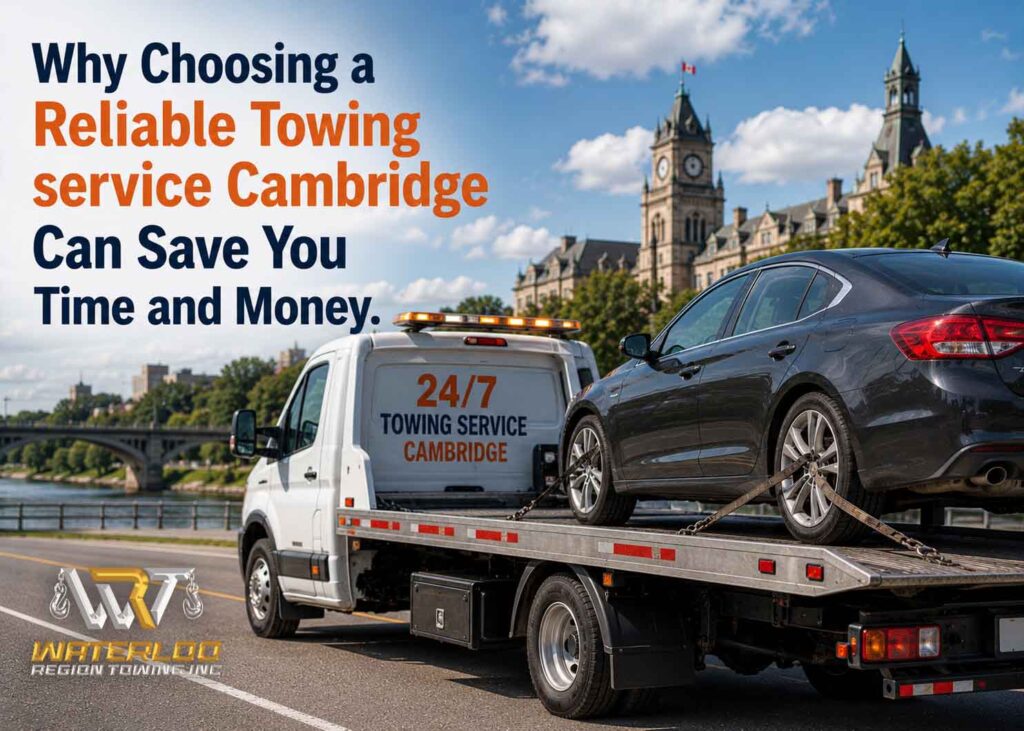
A standard hookup works fine for most everyday vehicles under normal conditions. Lower profile cars, all wheel drive vehicles, and anything with existing damage usually need to be carried instead of pulled. That’s where flatbed equipment comes in, lifting the vehicle fully off the ground so none of the wheels touch the road during the trip.
Choosing wrong isn’t just inconvenient. It can strain axles, damage bumpers, or scrape the undercarriage on inclines. Vehicle transport towing done right accounts for all of this before the truck even starts moving.
How Drivers Secure a Vehicle Properly
Straps and chains aren’t just thrown on and tightened. Proper securing uses specific attachment points built into the vehicle’s frame, not the bumper or suspension parts that were never designed to bear that kind of load.
A vehicle secured incorrectly can shift during transport. On a highway at speed, that shift can mean the car swings, scrapes the truck bed, or in worse cases, comes loose entirely.
Safe vehicle towing means checking those attachment points, tightening straps to the correct tension, and rechecking them before the truck pulls away. It takes a few extra minutes. Skipping it isn’t worth the risk.
Protecting Sensitive Vehicle Components
Modern vehicles have a lot more to protect than just paint and body panels. Low front bumpers, sensors near the wheel wells, and electric or hybrid drivetrains all need specific handling.
An improperly towed all wheel drive vehicle can damage its transfer case in minutes. A car with a low front splitter can catch on an incline ramp if the driver isn’t paying attention to clearance.
This is where experience shows. A driver who’s handled hundreds of different makes knows which vehicles need extra caution and which don’t.
Insurance and Accountability
Even with careful handling, things can occasionally go wrong. The difference between a licensed towing company and an unlicensed one is what happens next.
A fully insured company covers damage that happens during transport. That protection doesn’t exist if you go with a driver working off a classified ad or an unmarked truck. It’s one more reason towing services Waterloo drivers rely on tend to be companies with a real business address and visible licensing, not just a phone number.
What Separates a Professional Service From a Risky One
A few signs tell you quickly whether a towing company takes vehicle protection seriously.
- Proper equipment for multiple vehicle types, not a one size fits all truck
- Visible licensing and insurance, confirmed before the truck arrives
- Drivers who inspect the vehicle first, not just hook and go
- Clear communication about which method they’re using and why
- A track record, whether that’s reviews, years in business, or local reputation
Skipping any one of these raises the odds of something going wrong during the tow.
FAQ
Can towing damage my transmission?
Yes, if the wrong method is used on the wrong drivetrain. All wheel drive and some front wheel drive vehicles need to be towed with all four wheels off the ground to avoid transmission damage.
Is flatbed towing safer than a standard tow truck?
For most situations involving low clearance vehicles, damaged cars, or all wheel drive systems, yes. Flatbed towing carries the vehicle instead of pulling it, which removes most of the risk.
What happens if my car gets damaged during a tow?
A licensed and insured towing company will have coverage for this. Always confirm insurance before agreeing to a tow, and take photos of your vehicle’s condition beforehand if possible.
How do I know which towing method my car needs?
A trained driver will assess this on arrival based on your vehicle’s drivetrain and condition. If you know your car requires flatbed towing, such as a lowered vehicle, mention it when you call.
Does it cost more to request flatbed towing specifically?
Pricing varies by company and situation. Some vehicles require flatbed towing regardless of preference, so it’s best to ask for a quote based on your specific car.
Get a Tow You Can Trust With Your Vehicle
A tow shouldn’t turn one problem into two. Choosing a company that inspects your vehicle, uses the right method, and secures it properly protects the car you’re already worried about.
WR Towing handles vehicles of all types across Waterloo, Kitchener, and Cambridge with the right equipment for the job. Request a quote or contact our team whenever you need a tow done right.