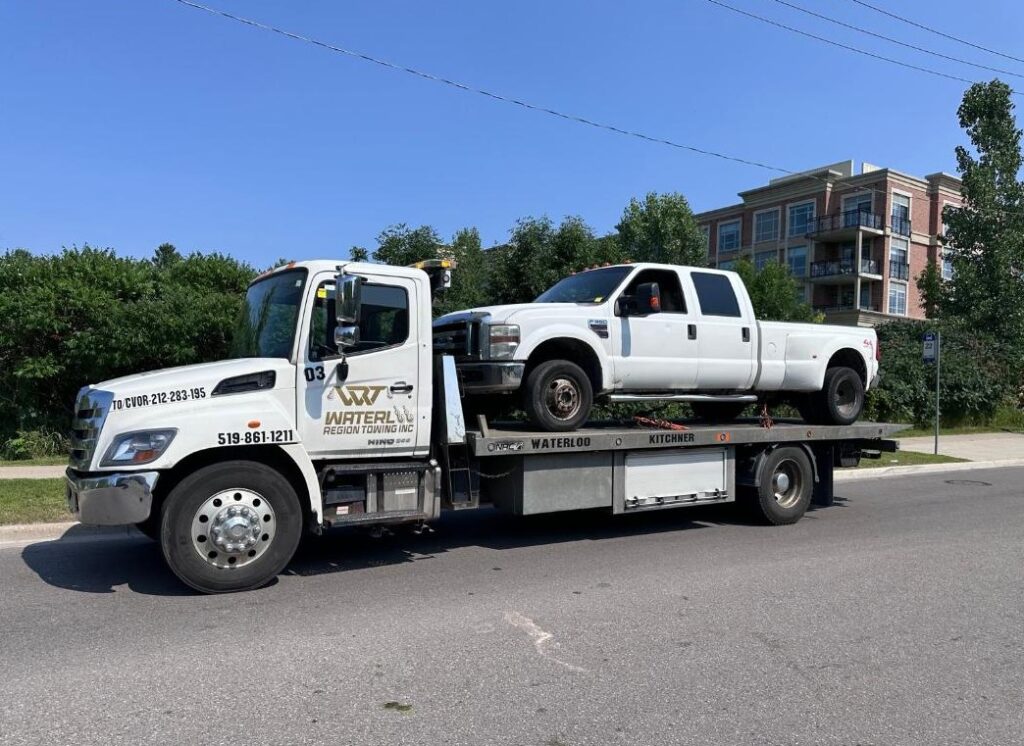
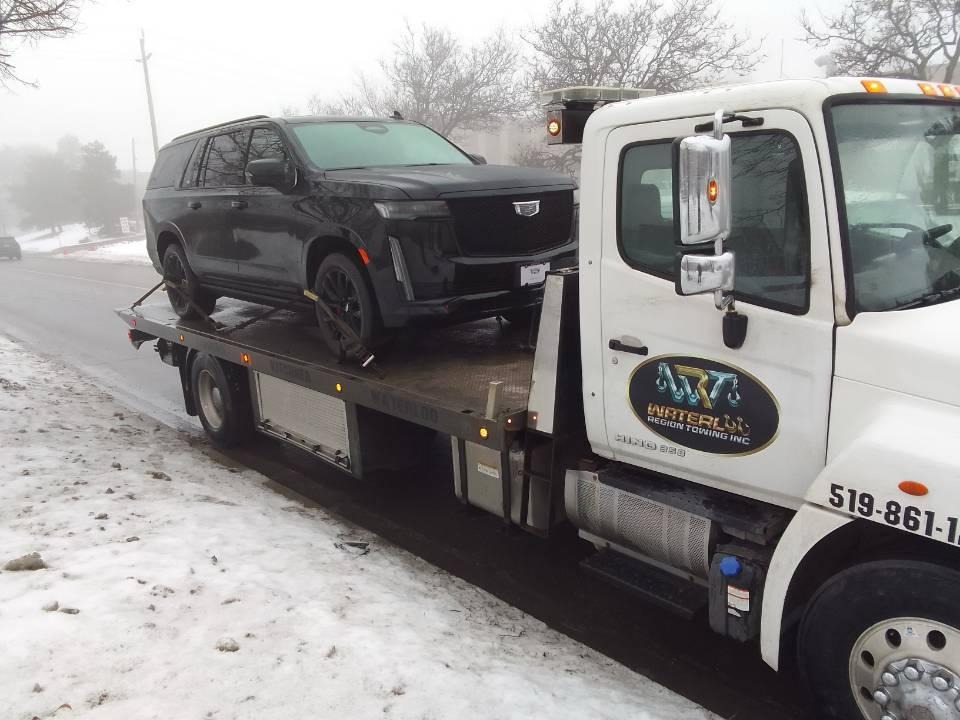
Winter is the toughest season for drivers and the busiest season for towing companies. When temperatures drop and snowstorms roll in, towing wait times often increase dramatically. It’s not your imagination; there are real, predictable reasons why tow trucks take longer to arrive in winter months.
Understanding why delays happen and what you can do to speed up help can make a huge difference when you’re stranded in freezing weather.
This guide breaks down the top causes of winter towing delays, expert-backed insights, and practical steps to get help faster, no matter what winter throws your way.
Why Are Towing Wait Times Longer in Winter?
1. Winter Causes More Breakdowns Than Any Other Season
Cold weather impacts nearly every system in your car:
- For example, lead-acid car batteries lose up to 50% capacity at -18°C (0°F), while lithium-ion batteries (common in smartphones and EVs) retain ~70–80% capacity at 0°C (32°F). This is a temporary effect, capacity often rebounds when temperatures rise. .
- Tires lose 1 PSI for every 5°C drop in temperature.
- Engine oil thickens, forcing the engine to work harder.
- Frozen fuel lines become a common issue.
This leads to a surge in service requests, from dead batteries to vehicles stuck in snowbanks. The more breakdowns happening at once, the longer the queue, and the longer you wait.
2. Hazardous Roads Slow Tow Truck Travel
Winter roads create dangerous conditions:
- Snow reduces traction
- Black ice forces drivers to slow down
- In 2023, traffic accidents increase by over 30% in snowy conditions
Tow trucks, especially flatbeds and heavy rigs, can’t drive fast on icy roads. Safety requires:
- Reduced speeds
- Extra time to navigate congested highways
- More cautious loading and unloading
This significantly increases arrival times between calls.
3. High Accident Volume Overloads Response Teams
Collisions spike in winter.
According to the Royal Canadian Mounted Police and multiple regional traffic reports:
- Winter months see a large percentage increase in collisions
- Minor fender-benders skyrocket
- Multi-car pileups on icy roads are more common
This means non-emergency breakdowns get pushed further down the queue.
4. Limited Fleet Capacity During Peak Hours
Even the largest towing companies only have so many trucks and drivers, and in winter:
- Demand spikes
- Staff availability drops
- Trucks themselves may require maintenance
- Recovery calls (vehicles stuck in snowbanks) take more time
Some companies also assign trucks to strategic hotspots during snowstorms, increasing response times for areas outside those zones.
5. Weather-Related Communication Slowdowns
During snowstorms:
- Phone lines get overloaded
- Dispatch systems run at peak capacity
- Drivers report delays due to limited visibility
- GPS accuracy may lag in heavy weather
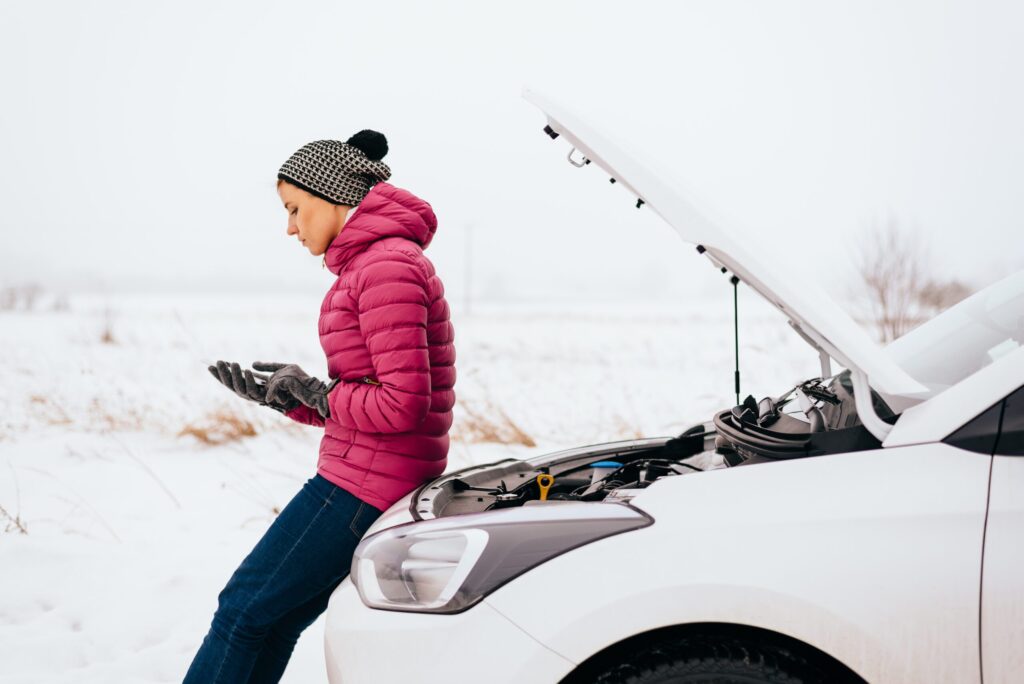
How to Get Faster Towing Service in Winter
Even though delays are common, you can take several steps to reduce your wait time and increase your safety.
1. Call the Right Type of Tow Truck for Your Problem
Many drivers don’t realize that choosing the wrong towing service can cause delays.
Examples:
- 4WD or AWD vehicles often require a flatbed tow truck
- Low-clearance cars may need a specific rig
- Cars stuck in snow may need a recovery winch, not a standard tow
Knowing what you need helps dispatch send the right truck immediately.
For more guidance, check our detailed guide: When You Really Need a Tow Truck
2. Share Your Exact Location
The #1 cause of avoidable delays: drivers giving vague or incorrect locations.
Use tools like:
- Google Maps live location
- What3Words
- Highway markers
- Nearby landmarks
Pro tip: If you’re on a highway, note the direction you were driving: eastbound vs. westbound matters.
3. Keep Your Phone Charged (or Use a Power Bank)
A dying phone restricts communication and may cause dispatch to have trouble finding you if they lose contact.
4. Stay With Your Vehicle When Safe
Drivers who leave their vehicles make it harder for towing operators to locate them, especially during whiteout conditions. Stay visible. Turn on your hazards. Keep your interior lights on if safe.
5. Prepare Your Vehicle for Winter
Proper winter prep:
- Install winter tires
- Test your battery
- Keep your gas tank above half
- Carry sand or kitty litter for traction
- Maintain your wiper blades
- Use winter-rated washer fluid
Driving further can cause catastrophic engine or transmission damage and increase repair costs by thousands.
Winter towing delays are frustrating, but understanding the cause and knowing how to navigate them helps you stay safe and get help faster. If you prepare early, communicate clearly, and maintain your vehicle, your chances of getting quicker roadside help improve dramatically.
And when you need a trusted, responsive towing company in Kitchener, you want a team that understands winter’s challenges and responds fast, no matter the weather.
Contact Waterloo Region Towing today!