Not every tow method treats your vehicle the same way. Some methods pull it along on its own wheels. Others lift the entire vehicle off the ground and secure it in place. That difference matters more than most drivers realize until something goes wrong.
Flatbed towing is generally considered the safest option, and for good reason. It removes several of the risks that come with other towing methods entirely.
This post explains why, and when it’s worth specifically asking for it.
TL;DR
- Flatbed towing lifts the entire vehicle off the ground, avoiding wheel and drivetrain stress from dragging.
- A flatbed tow truck suits nearly any vehicle, including low-clearance and all-wheel-drive cars.
- Vehicle transport this way reduces risk for vehicles already damaged from an accident.
- Flatbed towing services are the standard choice for longer-distance moves.
1. What Flatbed Towing Actually Means
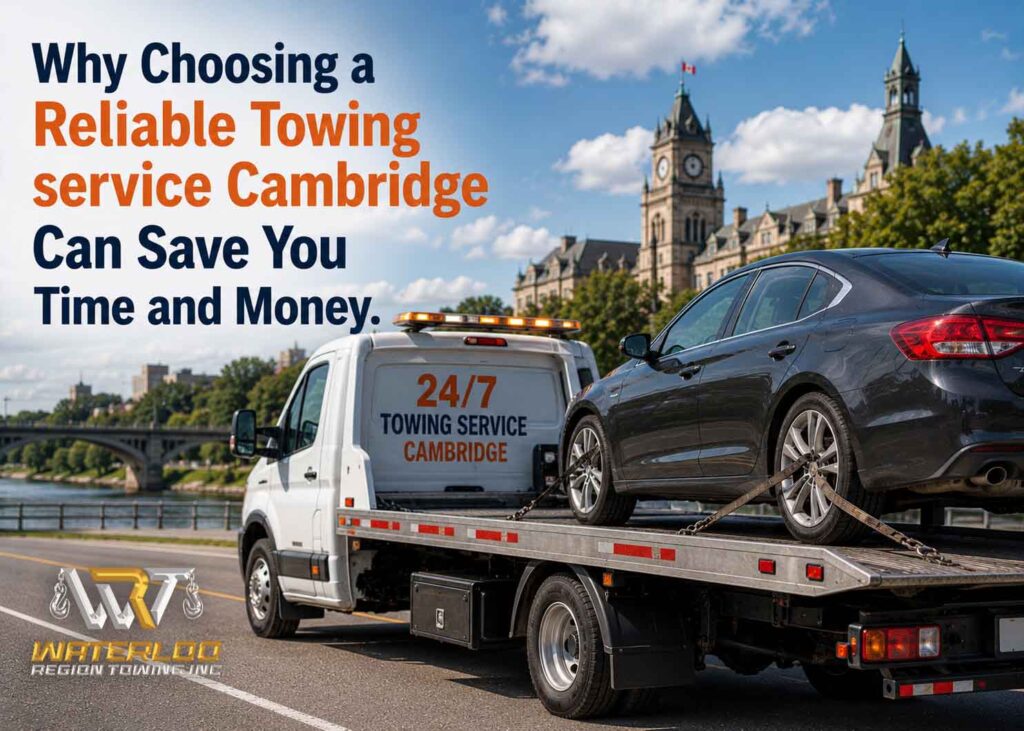
Flatbed towing uses a truck with a flat, hydraulic platform that tilts down to ground level, allowing a vehicle to be driven or winched directly onto it. Once loaded, the platform returns to a level position and the vehicle is secured with straps or chains for the drive.
Unlike other towing methods, none of the vehicle’s wheels touch the road during transport. The entire car rides on the bed of the truck.
2. Why Lifting Beats Dragging
Other towing methods, like wheel-lift towing, lift only one axle while the other stays on the ground and rolls along behind the truck. That works fine for many vehicles, but it puts stress on tires, bearings, and in some cases the transmission, especially over longer distances.
Flatbed towing avoids all of that by removing the wheels from the equation entirely. Nothing rolls, nothing drags, and nothing wears down during the tow itself.
3. Vehicles That Benefit Most From Flatbed Transport
Certain vehicles genuinely need flatbed towing rather than just benefiting from it. All-wheel-drive and four-wheel-drive vehicles are a common example, since towing them with wheels on the ground can damage the drivetrain if it’s not designed for that kind of use.
Low-clearance vehicles, like sports cars, also do better on a flatbed, since there’s no risk of the front bumper or undercarriage scraping during pickup. Classic and collector cars are frequently transported this way too, simply because the stakes of any damage are much higher.
4. How the Loading Process Works
The process itself is fairly quick. The truck bed tilts down to form a ramp, the vehicle is driven or winched onto it, and the bed returns to a flat, level position for transport. Straps secure the wheels and frame to keep the vehicle steady throughout the drive.
For a vehicle that can’t be driven, like one with a locked-up engine or flat tires all around, a winch pulls it onto the bed safely without needing the engine to run at all.
5. Protecting Already-Damaged Vehicles
After an accident, a vehicle can have hidden damage that isn’t obvious just from looking at it. Suspension issues, alignment problems, or a compromised frame can all get worse if the vehicle is towed with wheels still touching the ground.
Flatbed towing avoids adding any further stress to a vehicle that’s already compromised, which is a big part of why it’s often the default choice after a collision.
6. Flatbed Towing for Longer Distances
The longer the distance, the more the advantages of flatbed towing add up. Wheel-lift towing over a long stretch increases wear significantly, while a flatbed keeps the vehicle in the same condition whether it’s travelling five kilometres or fifty.
This makes flatbed towing services the more practical option any time a vehicle needs to travel a meaningful distance, not just across town.
7. When Flatbed Is Worth Requesting Specifically
If you’re calling for a tow and your vehicle is all-wheel drive, low to the ground, already damaged, or simply valuable enough that you don’t want to take chances, it’s worth asking specifically for a flatbed towing truck rather than leaving the method up to whoever’s available.
A good towing company will confirm which method suits your vehicle best, but knowing to ask helps you get the right truck the first time.
FAQ
Is flatbed towing more expensive than other methods?
It can be slightly higher due to the specialized truck, but the protection it offers is often worth it for higher-value or sensitive vehicles.
Can any vehicle be transported on a flatbed?
Yes, flatbed towing works for nearly all vehicle types, from compact cars to SUVs and larger trucks.
Does flatbed towing take longer to arrange?
Not usually, though availability can vary slightly depending on the provider’s fleet.
Why do all-wheel-drive vehicles need flatbed towing specifically?
Towing them with wheels on the ground can strain the drivetrain, which isn’t built for that kind of unpowered movement.
Is flatbed towing necessary for a short tow across town?
Not always, but it’s still the safer choice for low-clearance, damaged, or high-value vehicles regardless of distance.
Why do all-wheel-drive vehicles need flatbed towing specifically?
Towing them with wheels on the ground can strain the drivetrain, which isn’t built for that kind of unpowered movement.
Conclusion
Have a vehicle that needs careful handling? Call WR Towing at +1 (519) 861-1211 to request flatbed towing, or request a quote online. See more on our flatbed towing service page.